The short answer
Block paving's main advantages are repairability, appearance and longevity: individual blocks can be lifted and relaid to fix a sunken patch or reach a buried pipe, the surface comes in a wide range of colours and patterns for strong kerb appeal, it can be made permeable to satisfy front-drive drainage rules, and a well-laid drive lasts decades. Its main drawbacks are a higher upfront cost than tarmac or gravel because it is hand-laid, and routine maintenance — joints can lose sand, weeds and moss can colonise them, and occasional cleaning and re-sealing helps. Poor installation can lead to settlement and ruts. On balance it suits homeowners who want a smart, lasting, repairable surface and accept some upkeep.
Like any surface, block paving has clear strengths and honest weaknesses. This page lays them out so you can decide whether the pros outweigh the cons for your project.
Quick reference
- Biggest proLift and relay individual blocks
- AppearanceWide colour and pattern choice
- DrainagePermeable option available
- Biggest conHigher upfront cost
- Main upkeepJoints, weeds, re-sealing
The pros of block paving
Block paving has earned its popularity for several solid reasons.
- Repairable, block by block. Its standout advantage. A failed or stained block, a sunken area, or a utility trench can be put right by lifting and relaying the affected blocks — often invisibly. The surface can be maintained almost indefinitely rather than replaced.
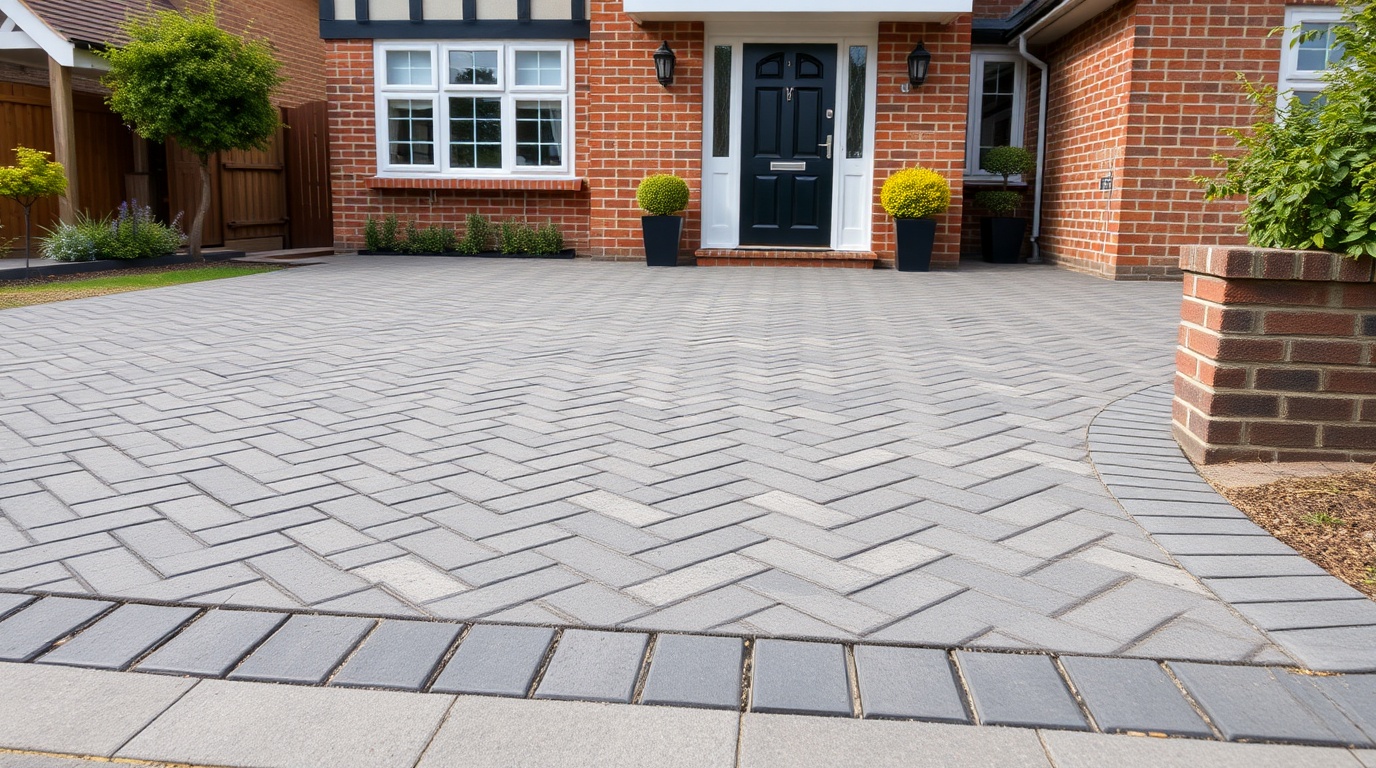
- Strong appearance and choice. Concrete and clay blocks come in many colours, shapes and laying patterns (herringbone, basketweave, stretcher bond), with contrasting borders and edgings to complement a property.
- Long lifespan. On a sound, compacted sub-base with proper edge restraints, a block drive carries vehicle loads and lasts for decades.
- Permeable option. It can be specified as a permeable system that lets rain soak away, helping a front driveway stay within permitted development under UK drainage rules.
- Flexible surface. As many separate units, it accommodates minor ground movement across its joints rather than cracking like a rigid slab.
For homeowners who want a smart, durable, repairable drive, these strengths are the core of block paving's appeal.
The cons of block paving
The drawbacks are real and worth weighing honestly.
- Higher upfront cost. Because each block is laid by hand, the labour content is high, so block paving costs more per square metre than tarmac or gravel. Complex patterns and decorative borders push the price up further.
- Routine maintenance. The sand-filled joints need occasional re-sanding as sand washes out, weeds and moss can root in the joints, and periodic cleaning and re-sealing keeps the surface looking its best.
- Weeds in joints. Even with good jointing, weeds can appear over time and need treating — a maintenance task a jointless surface like resin-bound avoids.
- Settlement if poorly laid. Quality depends heavily on installation. An inadequate sub-base, missing edge restraints or incorrect falls can cause rutting, sinking and pooling water.
- Staining. Oil and rust can mark blocks, though a single stained block can be replaced — turning a con into a manageable one.
| Pros | Cons |
|---|---|
| Lift and relay individual blocks | Higher upfront cost (hand-laid) |
| Wide colour and pattern choice | Routine joint maintenance |
| Long lifespan when well laid | Weeds can colonise joints |
| Permeable option available | Settlement if poorly installed |
| Flexible — resists cracking | Staining (though blocks are replaceable) |
Indicative summary for guidance only.
Weighing it up for your project
Whether the pros outweigh the cons depends on your priorities.
Block paving tends to be the right choice when you want a smart, lasting surface with kerb appeal, you value easy individual repairs (useful where services run beneath the drive), you need a permeable finish for drainage compliance, and you accept a little routine upkeep. Its repairability in particular sets it apart — few surfaces can be taken apart and reinstated so cleanly.
It is less compelling when budget is the overriding factor, when the area is very large and a plain surface would do, or when you want the absolute lowest maintenance. In those cases tarmac, concrete, gravel or resin-bound may suit better, each with their own trade-offs.
A final point on patios: the same pros and cons apply, though for a patio the load is foot traffic rather than vehicles, and appearance and slip resistance often weigh more heavily than load-bearing capacity. Either way, the quality of the sub-base, jointing and edge restraints is the difference between a surface that performs for decades and one that disappoints early.
How to maximise the pros and minimise the cons
Most of block paving's drawbacks can be reduced with sensible choices at the design stage and a little ongoing care, which is worth knowing if you are weighing it up.
Reduce weeds and joint maintenance. Using a quality jointing approach — well-compacted kiln-dried sand, or a polymeric jointing sand that stiffens to resist washout — keeps joints fuller for longer and gives weeds less to root into. Keeping the joints topped up, treating any weeds early before they establish, and brushing off organic debris that feeds moss all keep the surface tidy with minimal effort. A permeable system with the correct grit jointing behaves slightly differently but follows the same principle: full, stable joints are the key to low upkeep.
Avoid settlement and ruts. Since these almost always trace back to the build, specifying a proper depth of compacted sub-base, concrete-bedded edge restraints on every exposed edge, and correct falls is the single best way to prevent them. On soft or made-up ground, a deeper sub-base or a geotextile membrane may be needed. Insisting on these in the quote turns a potential con into a non-issue.
Manage staining. Sealing is optional but can make blocks easier to clean and slightly more stain-resistant; even without it, the ability to replace a single oil-stained or damaged block keeps the surface looking good. Putting an oil drip tray under a regularly parked vehicle and cleaning spills promptly limits marking.
Control the upfront cost. Simpler laying patterns and standard block ranges cost less to lay than intricate patterns and premium clay blocks, so you can dial the price up or down while keeping the core benefits of repairability, permeability and a long lifespan. In short, block paving's cons are largely manageable: specify the build well, choose sensible jointing, and give the surface light regular care, and the pros — repairability, appearance, drainage and longevity — come to the fore.
It is worth seeing the upkeep in proportion. The routine care a block surface asks for — an occasional top-up of joint sand, treating weeds before they establish, and a periodic wash — is light and infrequent compared with the cost and disruption of replacing a failed continuous surface. Because the maintenance is spread out and each task is small, owners who stay slightly ahead of it rarely find the cons intrusive. The blocks themselves are durable; it is the joints and the base that need attention, and both respond well to modest, regular care rather than occasional heavy effort. Viewed that way, block paving's drawbacks read less as inherent faults and more as the manageable trade-off for a surface you can repair, re-level and keep looking smart for decades.
Frequently asked questions
What is the biggest advantage of block paving?
Repairability. Because the surface is made of individual blocks, a damaged, stained or sunken section can be lifted and relaid — often invisibly — and a utility trench can be reinstated cleanly. This lets the surface be maintained almost indefinitely rather than replaced.
What is the main disadvantage of block paving?
The higher upfront cost, driven by the hand-laid labour, and the routine maintenance of the joints — re-sanding, weed treatment and occasional re-sealing. Poor installation can also cause settlement, so build quality matters as much as the blocks themselves.
Do weeds always grow in block paving?
Not always, but they can colonise the sand-filled joints over time. Good kiln-dried or polymeric jointing, periodic re-sanding and weed treatment keep them down. A jointless surface like resin-bound avoids this, which is one reason some homeowners prefer it.
Sources & further reading
- Marshalls — Driveway paving guidance
- HomeOwners Alliance — Driveway ideas and costs
- Checkatrade — Block paving cost guide
Figures on this page are typical UK ranges drawn from published sources and depend on your specific site. They are guidance, not a quotation.