The short answer
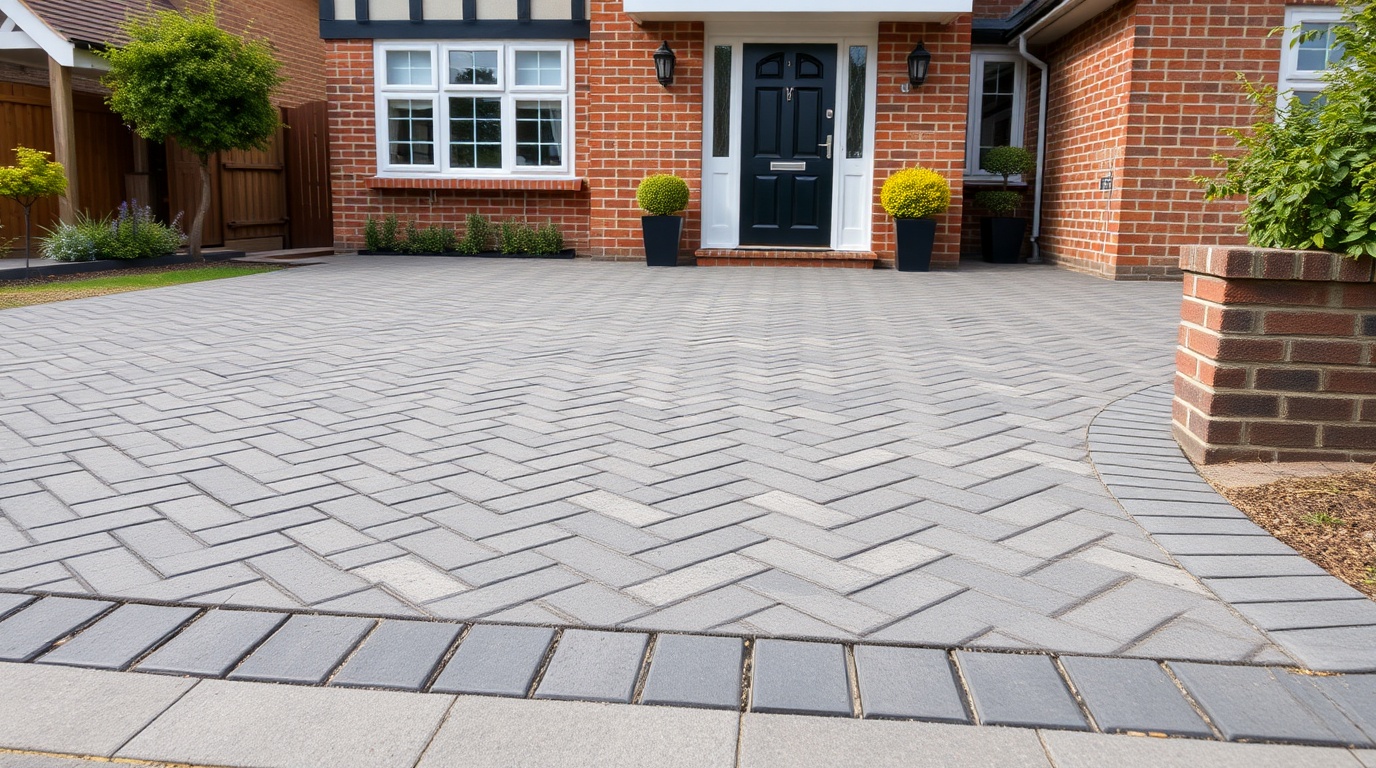
Block paving joints are filled with kiln-dried sand — a fine, very dry silica sand that flows freely into the narrow joints and packs down tightly to lock the blocks together. It must be dry so it pours into the joints; damp sand clumps and bridges the gap instead of filling it. Kiln-dried jointing sand is different from the sharp (grit) sand used for the laying course beneath the blocks, and from soft building sand, which should not be used for either. The joint sand is brushed in and the blocks vibrated so it settles, and the joints are topped up until full. Alternatives exist — polymeric jointing sand and resin/slurry jointing compounds — which set firmer and resist washout and weeds, at higher cost and with stricter application rules.
The sand in the joints is what makes block paving interlock and carry load. Using the right type, dry and fully filled, is more important than it looks.
Jointing sand
- Standard joint fillKiln-dried sand
- Why kiln-driedDry; flows and packs tight
- Laying course (below)Sharp / grit sand
- AvoidSoft building sand
- AlternativesPolymeric / resin compounds
Why kiln-dried sand
The standard material for filling block paving joints is kiln-dried sand: a clean, fine silica sand that has been dried in a kiln so it contains virtually no moisture. The dryness is the whole point. Because it is bone-dry and free-flowing, it pours readily into the narrow joints between blocks and, when the surface is vibrated, works its way down to fill the joint completely. That full, tightly packed column of sand is what creates the interlock — it stops adjacent blocks rocking or tipping and lets the paving spread vehicle loads as a unit. Damp sand cannot do this job: it clumps, bridges across the top of the joint, and leaves voids below, so the blocks never lock together properly. This is why jointing is done in dry conditions with dry sand.
Jointing sand versus laying-course sand
A block paving build uses sand in two different places for two different jobs, and they are not interchangeable. Confusing them is a common cause of trouble:
- Laying course (under the blocks): uses sharp (grit) sand — a coarser, angular, free-draining sand that the blocks bed into and that holds its shape under compaction. Soft building sand here holds too much water and moves under load, so the blocks settle unevenly.
- Joints (between the blocks): uses kiln-dried sand — finer and very dry, so it flows into the tight joints and packs down to lock the blocks.
- Building (soft) sand: the fine, cohesive sand used in mortar is not suitable for either the laying course or the joints; it retains moisture, does not drain, and does not provide the stability the paving needs.
So the short answer is: sharp sand below, kiln-dried sand in the joints, and building sand nowhere near a block paving build.
| Use | Sand type | Why |
|---|---|---|
| Laying course (bed) | Sharp / grit sand | Free-draining, holds shape under load |
| Joints (between blocks) | Kiln-dried sand | Dry and fine, flows in and locks blocks |
| Mortar only | Soft / building sand | Not for paving bed or joints |
Which sand goes where in a block paving build. Source: Pavingexpert; Marshalls installation guidance.
Alternatives to plain kiln-dried sand
Plain kiln-dried sand works well and is the traditional, low-cost choice, but it has one weakness: it can be washed out by heavy rain or blasted out by careless pressure washing, and open joints then let in weeds and ants. Because of this, firmer jointing products have become popular, and they are worth understanding:
- Polymeric jointing sand: kiln-dried sand blended with polymers that, once brushed in and lightly wetted (per the product instructions), bind into a firmer, semi-flexible joint. It resists washout and weeds better than plain sand, but is fussier to apply — it must be cleaned fully off the block faces before activating, or it can leave a haze, and it does not suit very narrow or very wet joints.
- Resin or slurry jointing compounds: two-part resin systems poured or slurried into the joints that cure to a hard, durable fill, strongly resisting weeds and washout. They are more expensive, demand careful application and the right joint width and weather, and are less easily topped up later — but give the most robust, low-maintenance joints.
Which to choose depends on priorities. Plain kiln-dried sand is cheap, simple to top up, and fine for most domestic drives if the joints are kept full and the paving is not aggressively power-washed. The firmer compounds cost more and are harder to apply but cut down on re-sanding, weeds and washout, which appeals where maintenance is a nuisance or the paving sees a lot of water. Whichever is used, the underlying principle is the same: the joints must be completely filled, because a half-empty joint — of any material — undermines the interlock the paving depends on. For plain sand that means brushing in, vibrating, and topping up in the first weeks as it settles; for the bound products it means following the application steps exactly so the joint cures full and solid.
How jointing sand is applied and topped up
Using the right sand only works if it is applied properly, and the method is as important as the material. The jointing stage comes after the blocks have been laid, cut in and given a first pass with the plate compactor. Dry kiln-dried sand is spread across the surface and brushed into the joints in several directions so they fill completely. The plate compactor is then run over the blocks again, which vibrates the sand down into the joints and settles it; more sand is swept in and the process repeated until the joints are full to the top. The key conditions are that everything is dry — the surface, the joints and the sand — because damp sand bridges across the joint instead of flowing down it, and that the joints end up genuinely full, since a half-filled joint provides little of the interlock the paving relies on.
Jointing is not entirely a one-off. In the first few weeks of use the sand continues to consolidate and settle, so the joints often drop slightly and need topping up — a good installer either leaves a dressing of kiln-dried sand on the surface to work in with traffic and weather, or returns to re-sand. Over the longer term, rain and routine cleaning gradually deplete the joints, and aggressive pressure washing can strip them outright, so periodic re-sanding is part of normal maintenance for plain kiln-dried joints. This is exactly the weakness the firmer products are designed to reduce: polymeric sand binds into a more washout-resistant joint once activated, and resin or slurry compounds cure hard and largely eliminate routine re-sanding, at the cost of more demanding application and less easy topping-up later. Whichever route is taken, the discipline that matters is keeping the joints full — brushing in fresh kiln-dried sand whenever they look low for plain joints, or following the application steps precisely for the bound products — because the interlock that carries the load lives in those filled joints, not in the blocks alone.
Frequently asked questions
Can I use building sand for block paving joints?
No. Soft building sand retains moisture, does not flow into the joints when dry, and does not pack down to lock the blocks. Use kiln-dried sand for the joints and sharp (grit) sand for the laying course beneath the blocks.
What is the difference between kiln-dried sand and sharp sand?
Kiln-dried sand is fine and very dry, used to fill the joints so it flows in and locks the blocks. Sharp (grit) sand is coarser and angular, used for the laying course the blocks bed into. They do different jobs and are not interchangeable.
Is polymeric sand better than kiln-dried sand?
It resists washout and weeds better and reduces re-sanding, but costs more and is fussier to apply, with risk of haze if not cleaned off the blocks. Plain kiln-dried sand is cheaper and simpler and fine for many drives if joints are kept full.
Sources & further reading
- Pavingexpert — jointing sands and compounds
- Marshalls — jointing block paving advice
- Brett Landscaping — block paving jointing guidance
Figures on this page are typical UK ranges drawn from published sources and depend on your specific site. They are guidance, not a quotation.